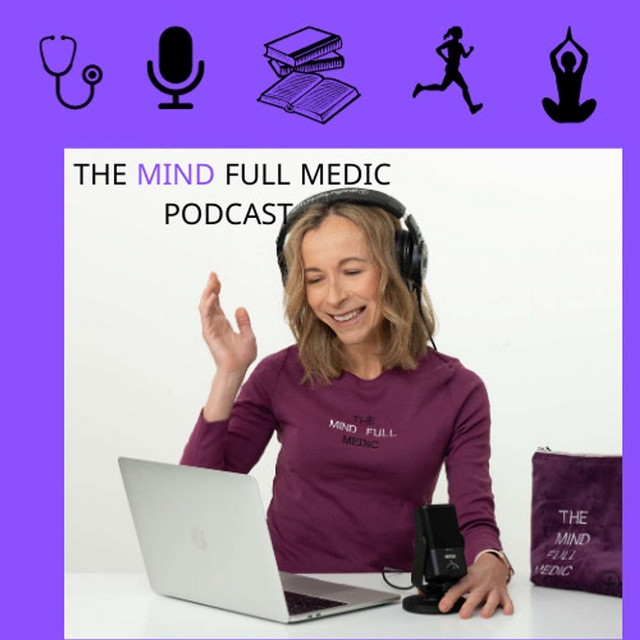
The Mind Full Medic podcast explores broader definitions health, wellbeing and optimal performance through the words and wisdom of guests who I consider to be leaders and gamechangers in their respective fields. Guests to date include elite athletes, healthcare professionals, yoga teachers, business school professors, coaches, and entrepreneurs from across the globe.


Career sustainability requires more than grit. Post-shift rumination, poor recovery and accumulated commitments can erode wellbeing, while deliberate detachment, self-compassion, manageable career changes, supportive relationships and staff involvement offer practical ways to make clinical work more sustainable.
Open “what” questions can surface concerns, make diagnostic reasoning visible and resist premature closure. The same curiosity extends to procedural distress, clinical presence and staff wellbeing, where supportive systems and staff-led improvement matter alongside personal resilience.
Effective medical presentations start with what the audience needs to understand and remember, using a few clear messages, purposeful stories, selective visuals, rehearsed transitions and attentive handling of questions rather than dense slides or memorised scripts.
Communication under pressure is framed around context, evidence, limits of expertise and a few repeated messages. Prevention works better when movement, strength and connection are linked to patient-defined goals, while clinician wellbeing requires organisational action rather than resilience alone.
Critical-care clinicians, educators and clinical leaders get a human-centred discussion of listening, psychological safety and ICU family communication. It connects values-based conversations, deliberate pauses, multidisciplinary input, peer connection and sustainable restorative habits with safer care and clinician wellbeing.
Clinicians, educators and leaders get a trauma-informed wellbeing discussion covering sexual assault in medicine, psychological distress, burnout, shame, peer support and speaking-up cultures. It focuses on validation, trusted colleagues, psychological safety, confidential support and values-aligned professional identity.
Communication, wellbeing and trauma-informed care sit together as clinical work. The trailer links bedside conversations, team dialogue, mentoring, public messaging and upstream prevention, with burnout treated as a system issue as well as a personal experience.