Daily Clinical Briefing · Educational reading for healthcare professionals
Open “what” questions can uncover concerns and make clinical reasoning easier to examine.
Replace “Do you have any questions?” with “What questions do you have for me?” and allow time for the response.
A consultation can close before the patient has decided whether there is anything else they need to say.
The apparently minor difference between asking “Do you have any questions?” and “What questions do you have for me?” matters. In the clinical interactions described, the first can produce an almost automatic no. The second creates an invitation to think, particularly when the clinician leaves enough silence for an answer to emerge.
The same approach becomes more interesting when applied between clinicians.
During handover, recognising a familiar pattern and naming a diagnosis may feel efficient. The problem comes when the conclusion becomes the end of the reasoning. If another clinician sees something different, simply repeating the competing diagnoses does little to resolve it.
A more useful question is what each person has actually observed that leads them to their interpretation. Making those observations explicit allows the team to compare reasoning rather than seniority or confidence. Asking what else can be found then keeps the assessment open long enough to consider information that does not fit the first pattern.
That curiosity also matters during difficult patient interactions. With a distressed child undergoing a procedure, routine reassurance such as “It will be fine” can increase distress rather than relieve it. Redirecting attention, using several sensory elements in storytelling when preferences are unknown, and maintaining a calm clinical presence offer a different approach. The clinician’s own state becomes part of the interaction.
The argument extends beyond individual consultations. Clinician wellbeing is presented as an organisational issue connected with patient outcomes, safety and strategy rather than a separate programme based mainly on personal resilience. Giving staff agency to improve problems in their own work can itself support wellbeing, but local leaders also need support from the organisation.
These ideas share something practical. Good questions expose information that would otherwise remain hidden: the concern a patient has not yet voiced, the observation behind a colleague’s diagnosis, or the workplace problem that a resilience intervention will not fix.
The next time a consultation or handover seems finished, the useful move may be to keep it open for a few seconds longer and ask what is still there to be found.

Platelet inhibition, anticoagulation and fibrinolysis act at different points in haemostasis. Aspirin, P2Y12 blockade, heparin, direct inhibitors, warfarin and tissue plasminogen activator illustrate why drug combinations, monitoring and diagnostic certainty before fibrinolysis matter.
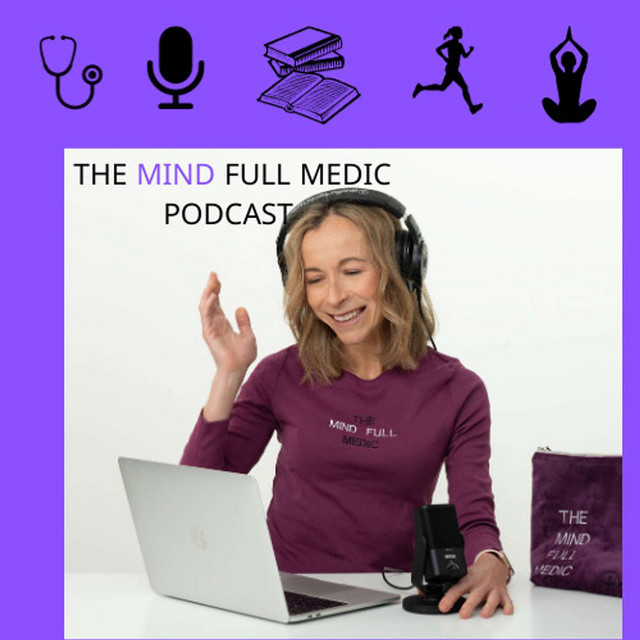
Open “what” questions can surface concerns, make diagnostic reasoning visible and resist premature closure. The same curiosity extends to procedural distress, clinical presence and staff wellbeing, where supportive systems and staff-led improvement matter alongside personal resilience.

In a 93-patient superiority trial, intramuscular ketorolac 10 mg did not provide better one-hour pain relief than oral ibuprofen 400 mg for selected adults with acute atraumatic musculoskeletal back pain. The result does not establish equivalence or non-inferiority.
End consultations with “What questions do you have for me?” and allow a pause for the response. During handover, ask colleagues to identify the observations behind their conclusions before the team settles on a diagnosis. When staff identify recurring problems in their work, help them address the work itself rather than framing wellbeing solely as personal resilience.
During handover, one clinician identifies a diagnosis through pattern recognition while another reaches a different conclusion. What should the team do first to compare their reasoning?
Ask each clinician to explain the observations supporting their interpretation. Making the evidence behind each conclusion explicit allows the team to compare how the different interpretations were reached.
A distressed child is preparing for a procedure and becomes more anxious when repeatedly told that everything will be fine. What alternative approach is described for managing the child’s distress?
Redirect the child’s attention rather than relying on reassurance. If using hypnotic storytelling and the child’s sensory preference is unknown, combine elements such as colour, sound, touch and smell while maintaining a calm clinical presence.
A superiority trial comparing intramuscular ketorolac 10 mg with oral ibuprofen 400 mg finds no statistically significant difference in pain reduction at 60 minutes. Does this establish that the treatments are equivalent?
No. Failure to demonstrate superiority does not establish equivalence or non-inferiority; those conclusions require an appropriate study design and interpretation.
Daily Clinical Briefings are prepared using ChatGPT Pro from the show notes and educational output for that day’s episodes. Iain Beardsell then checks the briefing for accuracy.
This describes the current briefing process. Item-specific review dates are shown only where documented. The original podcasts remain the sources; MedPod’s briefing is additional educational material.
Read about MedPod’s editorial approach
Report an error or source concern — please include the article title and link, without patient-identifying information.




.svg)