September 14, 2026

Brain death requires a complete assessment
Residual responses, confounders or incomplete testing can prevent a brain death diagnosis despite devastating injury.
Read briefing
Daily Clinical Briefings
Residual responses, confounders or incomplete testing can prevent a brain death diagnosis despite devastating injury.
Read briefing
A safer ED communication system separates urgent interruption from messages that can wait.
Read briefing
After cardiac surgery, invasive data and procedure-specific responses can matter more than a generic arrest algorithm.
Read briefing
Cancer myths can fuel self-blame, restrictive eating and delayed action on weight loss.
Read briefing
Fatigue-aware team safety, sex-related variation in levodopa exposure, and why prevention plans work better when clinicians identify practical barriers and explain artificial intelligence use transparently.
Read briefing
Cardiometabolic risk and early cardiac remodelling with emergency-team coordination, uncertainty and clinician wellbeing.
Read briefing
Temperature measurement, fever mechanisms and trauma-informed colleague support.
Read briefing
Open the global emergency medicine episode for triage, resource-limited resuscitation and public health actions, then use Simulcast for simulation design.
Read briefing
Open the trauma handover release first for video review, stretcher-to-bay delay and clearer resuscitation team communication.
Read briefing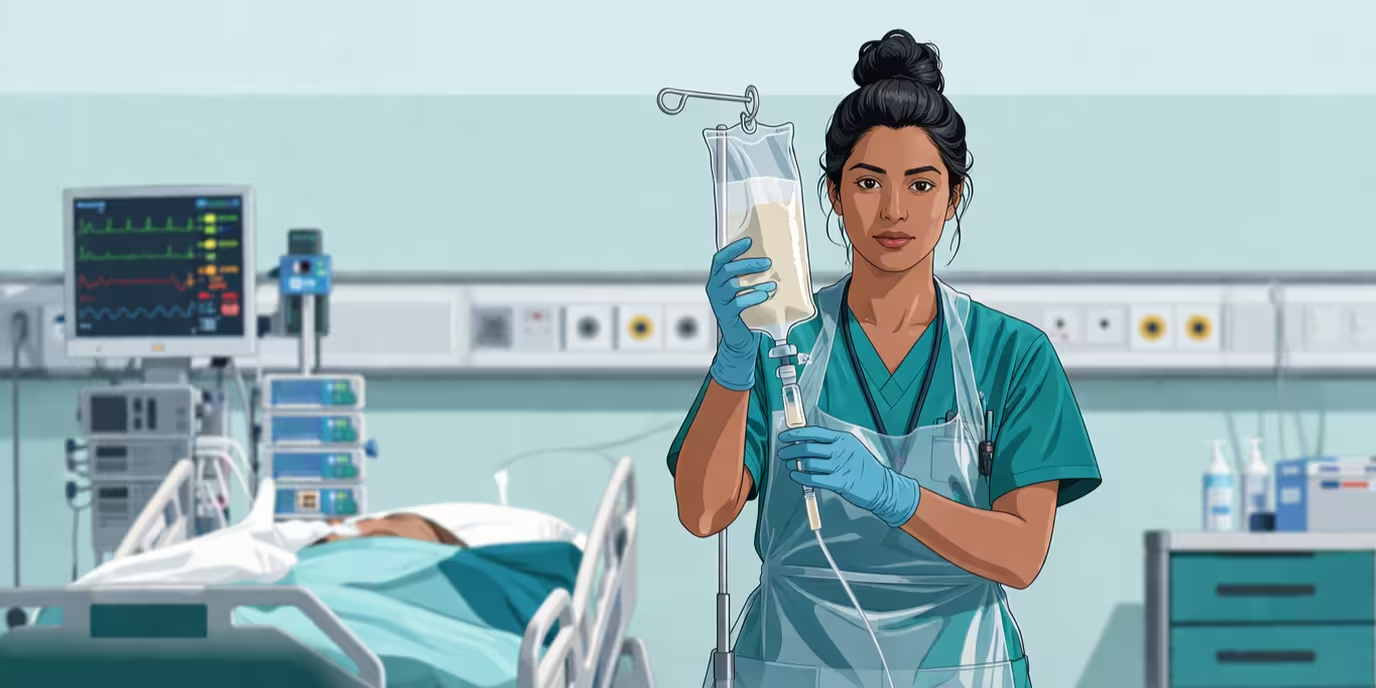
Start with albumin, then move to paediatric neuromuscular red flags and AI-assisted debriefing for a practical briefing on prescribing, referral and judgement.
Read briefing
One pressure, one lab or one symptom is rarely enough; today’s themes show how function and context prevent confident mistakes.
Read briefing
Dyspepsia, sudden desaturation, and the communication habits that change clinical decisions.
Read briefingBrowse and listen free in the app. Premium adds learning notes, MCQs, reflections, activity tracking and Excel exports for your CPD or appraisal records.




.svg)