October 20, 2026

Can simulation change an uncivil workplace?
Simulation can help teams rehearse difficult interactions, but reported benefits need careful interpretation.
Read briefing
Daily Clinical Briefings
Simulation can help teams rehearse difficult interactions, but reported benefits need careful interpretation.
Read briefing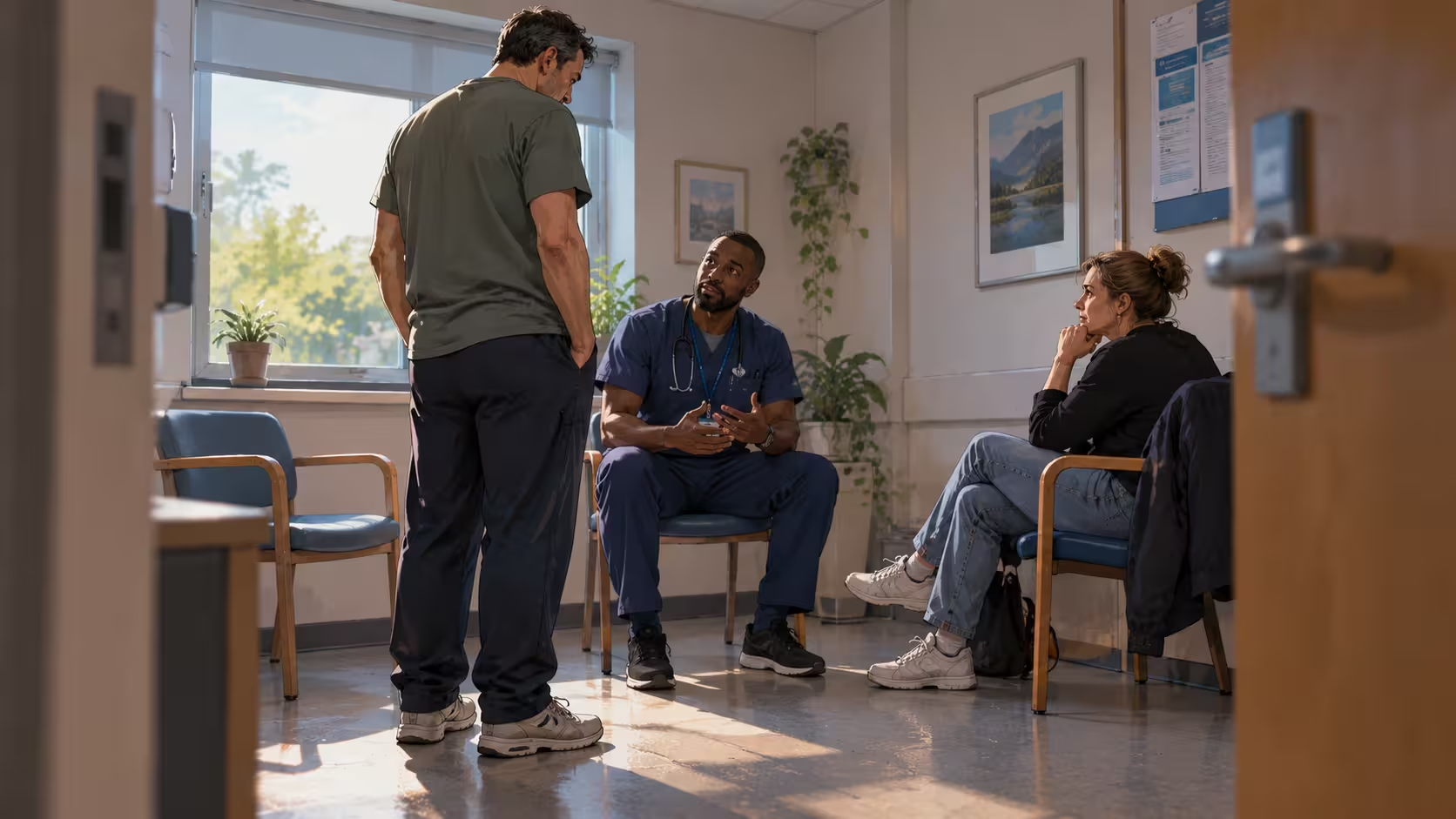
A favourable neurological outcome can conceal persistent emotional, cognitive and functional difficulties after ECPR.
Read briefing
Simple trauma triage helps balance delayed care against the risks of acting at dangerous scenes.
Read briefing
GRADE helps distinguish promising research findings from evidence reliable enough to guide clinical decisions.
Read briefing
Building emergency services in Uganda means connecting immediate treatment, referral and continuing local training.
Read briefing
Mentoring, curiosity and personal priorities help clinicians decide which opportunities deserve their time.
Read briefing
Assess deficits, shock and mechanism before deciding how much fluid a patient with crush injury needs.
Read briefing
Minimal tenderness is less reassuring in older adults, so CT should remain readily considered.
Read briefing
Open “what” questions can uncover concerns and make clinical reasoning easier to examine.
Read briefing
Wound location and ECG rhythm can sharpen thoracotomy decisions in traumatic cardiac arrest.
Read briefing
Early acute oncology input can identify ambulatory care and preserve fitness for further cancer treatment.
Read briefing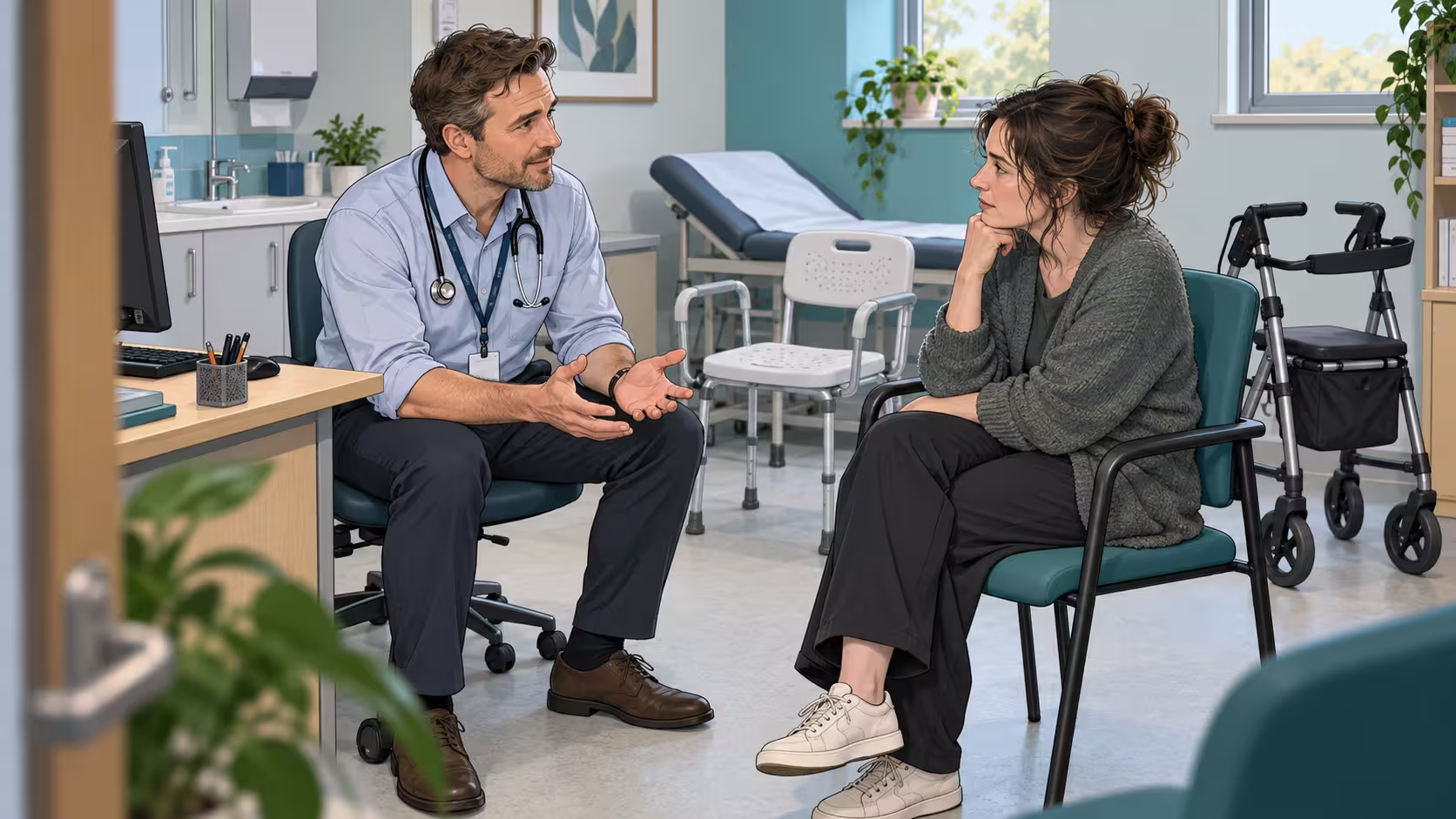
Reducing everyday energy demands can preserve capacity for the activities a patient values most.
Read briefingBrowse and listen free in the app. Premium adds learning notes, MCQs, reflections, activity tracking and Excel exports for your CPD or appraisal records.