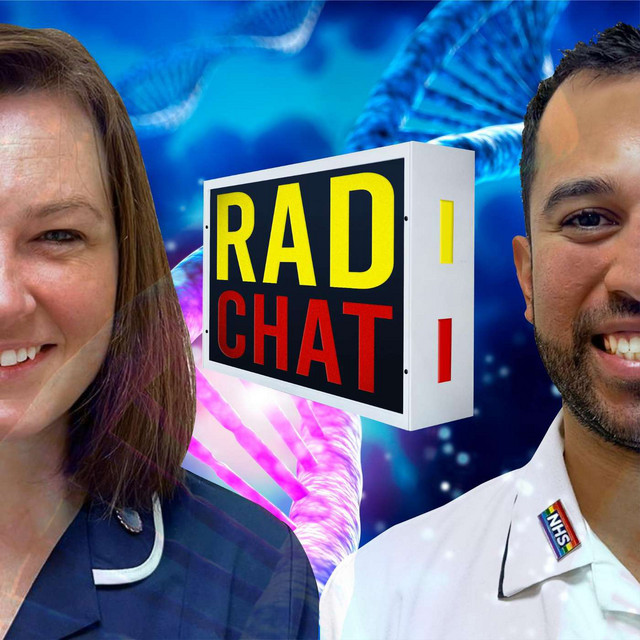
Rad Chat is the multi-award winning, first therapeutic radiographer led oncology podcast, designed for cancer patients, healthcare professionals, academics, and researchers. Naman Julka-Anderson and Jo McNamara are both therapeutic radiographers who have unique backgrounds, bringing specialist knowledge and skills to the conversation. Their guests include people living with and beyond cancer, healthcare professionals, researchers, and leaders within healthcare.


Radiographer participation in MR-linac research can begin with audit or clinical evaluation; focused registry questions, shared analytical resources and complementary leadership and contributing roles make collaboration possible without requiring everyone to lead a large trial.
Practitioner-led MR-linac care relies on collaborative training and applying oncologists' decisions during daily adaptation; abdominal motion-monitoring research and comfort-focused positioning address different practical demands of treatment.
Partial breast radiotherapy on an MR-linac involves balancing potential imaging distortion from lateral breast displacement against the physical constraints of prone positioning. Clinical experience and collaboration with other centres help identify practical research questions and opportunities for service improvement.
Glioma research examines how peptide presentation and tumour heterogeneity influence immune recognition. The discussion also considers experimental vaccine targets, informed consent for donated surgical tissue and the distinction between promising laboratory findings and established clinical treatments.
Tackling inequalities in cancer services requires community relationships, non-attendance data and evidence that feedback changes care. Mistrust, differences within communities and concerns about radiotherapy can affect engagement, particularly among patients who never reach the treatment team.
Clinical oncology combines radiation treatment decisions with attention to quality of life and early palliative support. Patient communication, approachable leadership and mentoring influence both the experience of advanced cancer care and the development of the specialty workforce.
Nutrition during cancer treatment should protect weight and muscle while accommodating gastrointestinal symptoms and individual preferences. Restrictive diets can worsen nutritional risk, and persistent bowel symptoms after treatment may have identifiable, treatable causes.
Serious mental illness can distort cancer care through diagnostic overshadowing, restricted treatment choices and unmet psychological needs. Shared decision making, attention to new physical symptoms and meaningful oncology–mental health liaison can challenge assumptions about what an individual can tolerate.
Therapeutic radiography combines treatment technology with sustained patient contact, while departmental observation, placement support, debriefing, personal tutors and practical communication training help students navigate academic demands and emotionally difficult clinical encounters.
Extremity sarcoma care requires deliberate normal-tissue sparing despite access to IMRT and advanced equipment, while persistent patient-reported side effects, conference learning and international collaboration can help identify gaps that technology alone does not solve.